The edge
A Fairground Between Events
An enormous piece of ground that is either wide open or entirely shut, with almost nothing in between, and the calendar is the only thing that decides which.
The four questions
| Whose ground it is | A public body that runs it as a venue, which means it is open when it has been rented and closed when it has not. |
|---|---|
| How far in you get | The perimeter and the public parking apron on a dark week. The whole of it on an event day, on the event's terms. Nothing in between the two. |
| What it costs to be there | Nothing on the outside. Whatever the event charges on the inside, and that is the event's business rather than the ground's. |
| What going wrong looks like | Assuming that empty means open. Empty means the opposite here, and it is the exact reverse of how every other place in this book works. |
Empty means shut
This is the one piece of ground in the book where an absence of people is a reason to stay out rather than an invitation to walk in.
A venue is open when somebody has paid for it to be. On a dark week there is no event, no staff, no insurance in force for the public, and the gates are chained. The place looks like the most walkable acreage in the city and it is the least.
Understanding that inverts a habit most visitors have, which is why we put it in this band and why it is the last entry rather than the first.
What the perimeter is worth
Genuinely quite a lot, on the right week.
The scale is the point. A hundred acres of flat made ground inside a city, empty, with the skyline behind it, is a thing you cannot see anywhere else in reach. Walking the outside of it takes about an hour and there is a stretch on the far side where the ground drops away and the whole basin opens up.
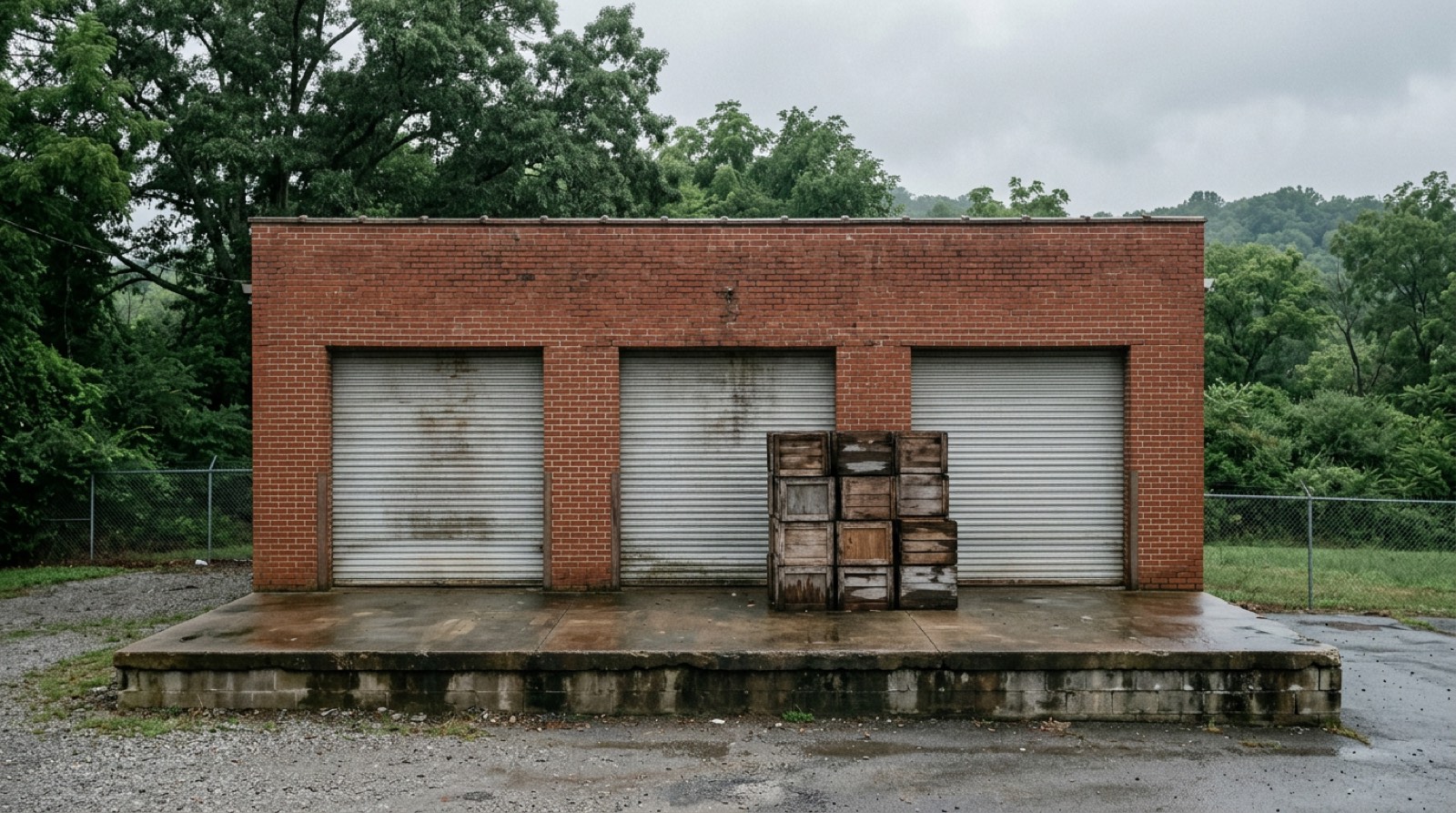
There is also the back apron: loading docks, marked lanes, numbered gates, all of the machinery of an event with the event removed. We find this more interesting than the event and accept that this is a minority taste.
Finding out which kind of day it is
The calendar, and only the calendar. Not the gate, because on a dark week you cannot see anything from it, and not the lights, because half of them are on a timer.
The reliable move is the venue's own published schedule, checked the day before. Even then, an event can be trade only, in which case the ground is open and you are not part of the public it is open to, and the schedule does not usually say which.
On an event day
You are inside on the event's terms and not the venue's. Different bag rules, different hours, different opinion about cameras, and all of it set by whoever rented the place rather than by whoever owns it.
Which is worth stating plainly because it is the general shape of borrowed ground: the rules on the day belong to the tenant, and the tenant changes every week.
Practical
- The perimeter walk is about an hour, mostly on asphalt, no shade.
- No facilities anywhere on the outside on a dark week.
- Parking aprons are public and the fenced compounds are not.
- On event days the surrounding streets are closed and walking in is faster than anything else.